

Why EPS Foam Is Gaining Traction Across Southeast Asia
If you distribute building materials or packaging solutions in Southeast Asia, you have probably noticed a steady rise in demand for EPS (Expanded Polystyrene) foam. The region is experiencing rapid urbanization, a construction boom, and a growing cold-chain logistics sector — all of which rely heavily on EPS products. For wholesalers and distributors, understanding the product and the market is the first step toward making profitable sourcing decisions.
This guide is written for you: the distributor or wholesaler who needs practical information about EPS foam — not marketing fluff. We will cover product fundamentals, regional demand drivers, quality considerations, logistics, and how to evaluate a reliable supply partner.
What EPS Foam Actually Is — And What It Is Not
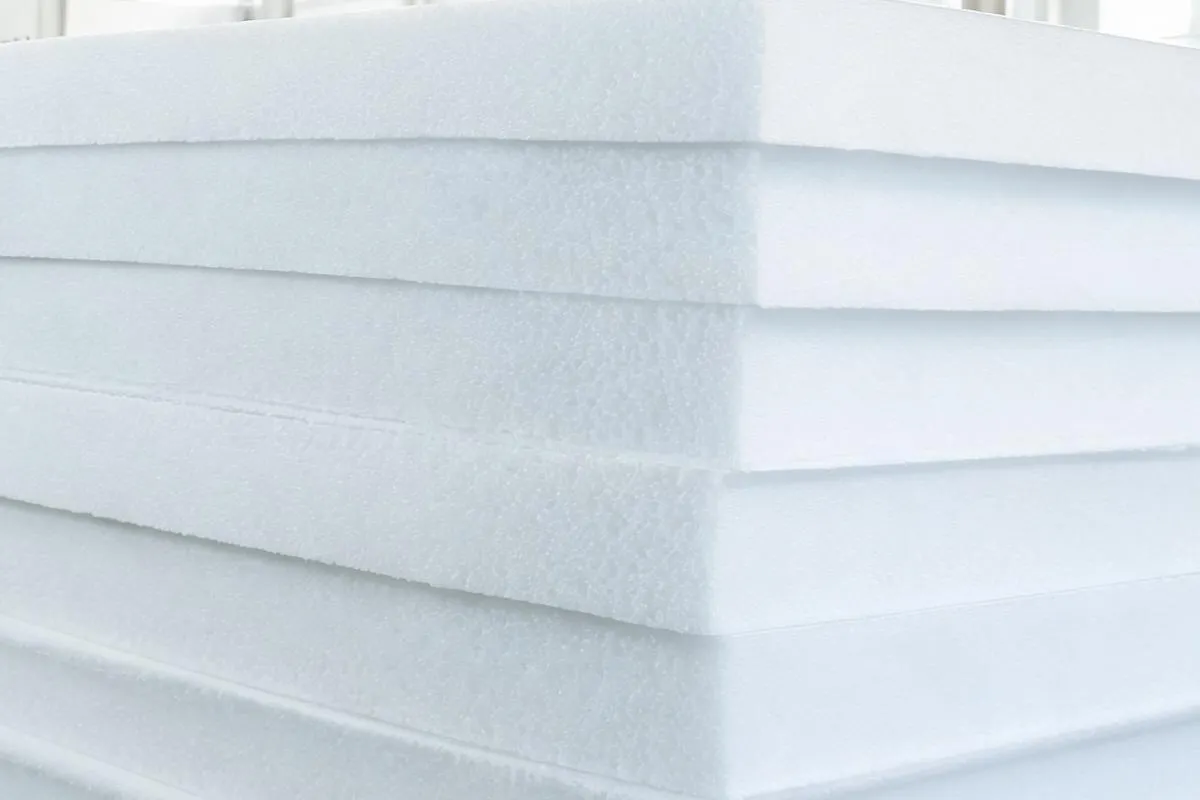
EPS is a lightweight, rigid cellular plastic made from expanded polystyrene beads. It is widely used in thermal insulation, protective packaging, and structural void filling. Despite looking like styrofoam (which is an extruded variant, XPS), EPS has distinct properties: it is more cost-effective, easier to shape, and offers excellent thermal resistance per unit cost.
Key characteristics relevant to wholesale buyers:
- Density range: Typically 10–35 kg/m³ for most commercial applications. Higher density means better compressive strength and insulation performance.
- Thermal conductivity: Around 0.032–0.038 W/(m·K), making it an effective insulator for walls, roofs, and cold storage.
- Water absorption: Low, but not zero. Proper cladding or lamination is needed for exterior applications in humid climates — a critical point for Southeast Asia.
- Fire behavior: Standard EPS is combustible. Fire-retardant grades (SE grade) are available and often required by building codes. Always confirm which grade your customers need.
Southeast Asia: Where the Demand Is Coming From
The Southeast Asian market is not a monolith — each country has different demand patterns. Here is what we see across the region:
- Vietnam & Indonesia: Large-scale residential and industrial construction driving demand for EPS insulation boards and sandwich panels.
- Thailand & Malaysia: Growing cold-chain infrastructure for food and pharmaceutical logistics — EPS coolers and insulated containers are in high demand.
- Philippines: Frequent typhoons create recurring demand for affordable rebuilding materials, including EPS-based lightweight concrete forms and insulation.
- Myanmar & Cambodia: Emerging markets where price sensitivity is high. Basic EPS packaging and insulation products move quickly.
As a distributor, matching the right product grade to the right end-use market can give you a significant competitive advantage.
How to Choose the Right EPS Product for Your Customers
Not all EPS products are interchangeable. Before placing an order, clarify these points with your buyers:
- Application: Is it for wall insulation, roof insulation, cold storage, or packaging? Each requires different density and fire-retardant specifications.
- Thickness and dimensions: Standard board sizes are 1200×600 mm or 1200×2400 mm, but custom dimensions are common. Thickness ranges from 10 mm to 300 mm or more.
- Compressive strength: For load-bearing applications (under concrete slabs, for example), specify the required kPa value.
- Surface finish: Plain, laminated with aluminum foil, or coated with fiberglass mesh — each has different cost and performance profiles.
- Packaging requirements: EPS is bulky. Deciding between loose loading and palletized packaging significantly affects shipping cost per unit.
Quality Signals Every Wholesaler Should Check
When sourcing EPS foam from a new supplier, look for these quality indicators:
- Consistent density: Density variation across a batch indicates poor production control. Ask for density tolerance (ideally within ±1 kg/m³).
- Fusion quality: Well-fused EPS beads create a smooth, uniform surface without visible bead gaps. Poor fusion leads to crumbling and reduced insulation performance.
- Dimensional accuracy: Check whether the supplier guarantees cutting precision. A tolerance of ±2 mm on length and width is standard; tighter tolerances are achievable with CNC cutting.
- Aging: Freshly produced EPS contains residual blowing agent and may shrink. Reputable suppliers age the material for at least 7–10 days before shipping.
- Fire-retardant certification: If you are buying SE-grade EPS, request third-party test reports (such as ASTM E84 or EN 13501-1 equivalent) for each batch.
Requesting a pre-shipment sample is standard practice and should not be met with resistance from a credible manufacturer.
Logistics: The Hidden Cost Driver
EPS foam is lightweight but voluminous. Shipping costs are calculated on chargeable weight (dimensional weight), not actual weight. A container of EPS boards may only weigh 3–5 tons, but you could be paying for 10–12 tons of chargeable weight.
Ways to manage logistics costs:
- Negotiate freight rates based on volume (CBM) rather than weight when possible.
- Consider block shipments instead of cut boards — the supplier ships EPS blocks that are cut locally, reducing transport volume.
- Ask about compression packaging for lower-density products. Some EPS can be compressed temporarily and will recover most of its original shape.
For Southeast Asian ports, typical transit times from major Chinese manufacturing hubs range from 5 to 15 days depending on the destination. Factor in port congestion, especially during monsoon season.
Building a Long-Term Supply Partnership
A one-time low price is less valuable than a supplier who consistently delivers on time and maintains uniform quality. When evaluating potential partners, consider these factors beyond unit price:
- Response time: How quickly does the supplier respond to inquiries and provide quotations?
- Production lead time: What is the standard turnaround for a full container order? Can they handle peak-season demand?
- Communication clarity: Can the supplier explain technical specifications clearly in English or your preferred language?
- After-sales support: What happens if a batch arrives with quality issues? Is there a clear complaint and resolution process?
These soft factors often determine whether a sourcing relationship thrives or turns into a costly headache.
Frequently Asked Questions
What is the minimum order quantity for EPS foam products?
Minimum order quantities vary by product type and specification. Standard EPS boards typically start at one 20-foot container for custom orders. Contact us with your specific requirements for an accurate quotation.
Can you provide EPS foam in custom sizes and densities?
Yes. Custom dimensions, densities from 10 to 35 kg/m³, and fire-retardant grades are available. CNC cutting services allow precise shapes for specialized applications.
How do you ensure consistent product quality across shipments?
Each production batch undergoes density testing, dimensional inspection, and fusion quality checks. Samples from every batch are retained for traceability, and pre-shipment inspection reports can be provided upon request.
What are the typical delivery times to Southeast Asian ports?
Production lead time is generally 7–15 days depending on order volume and specifications. Sea freight to major Southeast Asian ports takes approximately 5–15 days. Total delivery time from order confirmation to port arrival is typically 15–30 days.
Do you offer EPS products suitable for food-grade packaging?
Yes. We supply EPS products suitable for food-contact applications, including cold-chain packaging for seafood, fruits, and pharmaceuticals. Food-grade EPS complies with relevant hygiene standards.
Take the Next Step
If you are sourcing EPS foam products for the Southeast Asian market, we would welcome the opportunity to understand your requirements and provide a tailored quotation. Our team can support you with product selection, specification guidance, and logistics planning to help you serve your customers more effectively.
Send us your inquiry today with your target product specifications, order volume, and delivery port. We will respond within one business day with a detailed quotation and shipping options.